A reflection on love, grief, loyalty, and the quiet ways animals change us
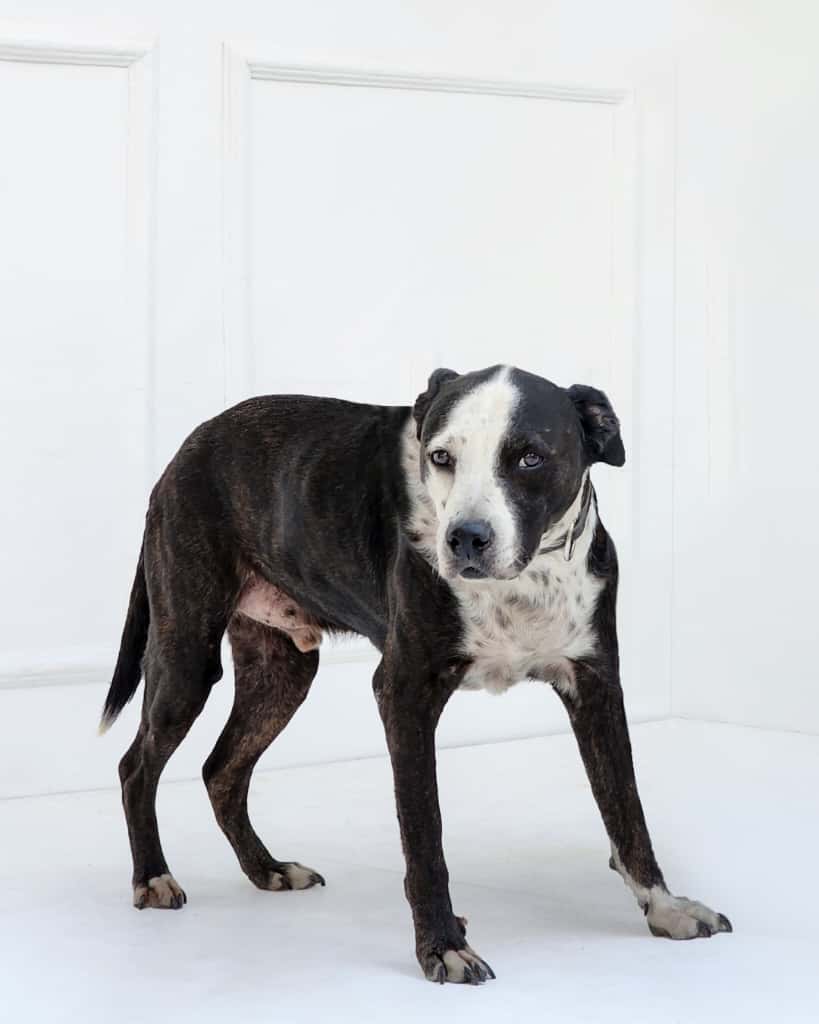
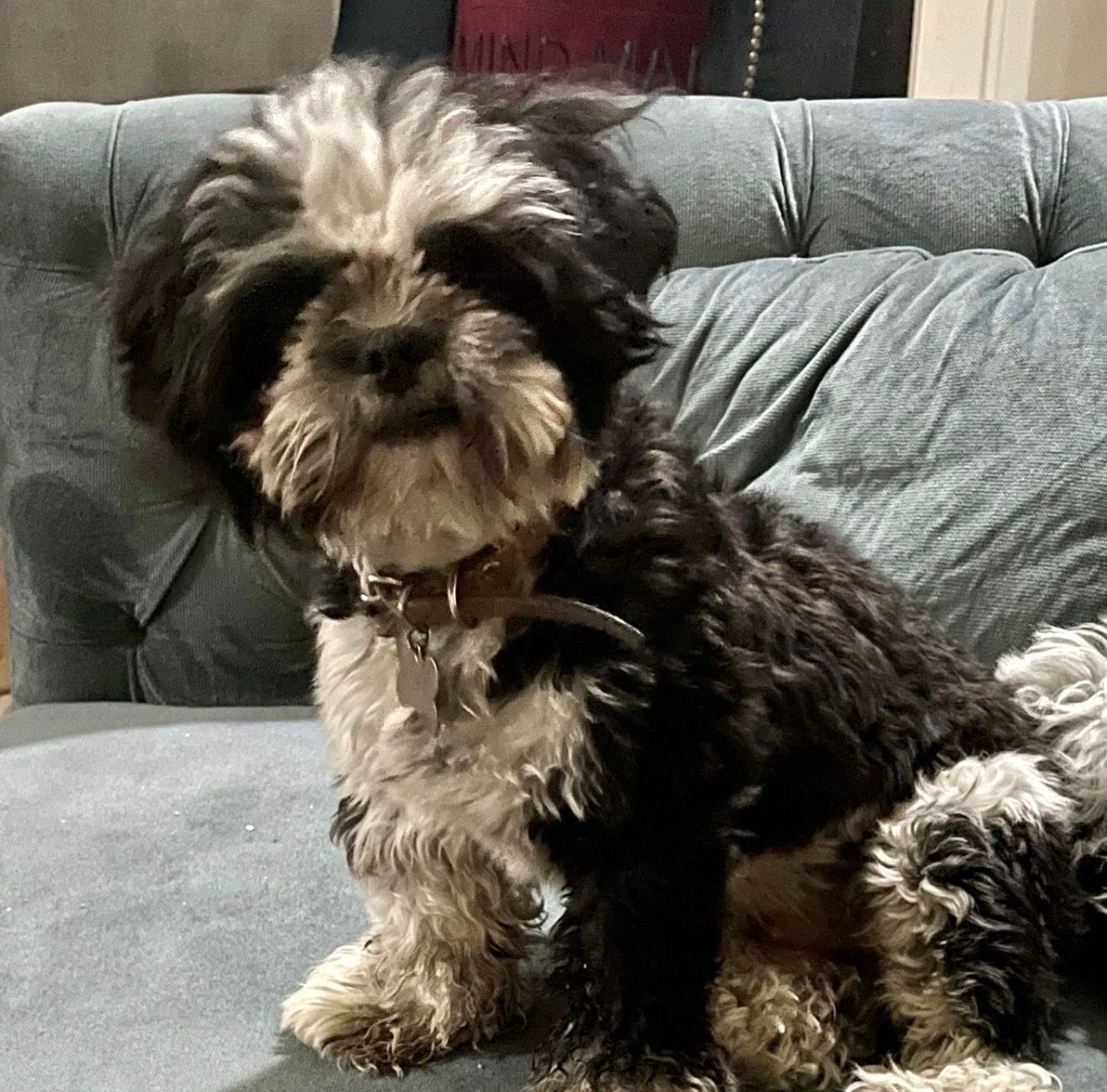
I have always had a love for animals. From an early age I found them to be receptive, empathetic, and considerably better at stress relief than anything a therapist has ever suggested to me. From the early days when I acquired Loki at three months old — who ran to me of his own free will at a shelter in Lahore, essentially interviewing me and deciding I would do — to Bigglesworth, whom I rescued from a cage in someone’s garden, to Stony, a sixteen year old Pitbull who simply materialised in my life as if he had always planned to be there, to Laila, gifted to me by an elderly couple leaving for Canada, to Nymeria, granted to me by a colleague’s sister as she headed off to the US. Apparently I have a reputation as someone animals get handed to. I have accepted this calling.
Over the years, Loki ran away — he was always a runner, that one, probably had places to be and people to charm. Biggles died a natural death. Stony had to be put down last year at sixteen — which for a Pitbull is not just a long innings, it is frankly a world record, a spiritual achievement, and a testament to a life lived entirely on his own terms. Nymeria had to be put down today at nine years old, having acquired terminal leukaemia and being unable to stand or manage even the most basic dignities on her own. These animals have been among the greatest gifts I have ever received, arriving in the form of unconditional love, constant company, and the occasional destroyed sofa.
The Characters They Were
None of them were perfect, and all of them were characters in the fullest sense of the word. Biggles was perhaps the strangest cat I have ever known — a creature with a peculiar fondness for soaking in the rain (cats famously despise water, nobody told Biggles) and the general disposition of a man who had consumed one too many Jack Daniel’s and had decided the world owed him an apology. Stony, on the other hand, had the disposition of a Rastafarian who had discovered a particularly agreeable strain of weed and had since concluded that there was genuinely no reason to rush anything, ever. He moved through life at his own sovereign pace, entirely unbothered, radiating a deep and philosophical calm that suggested he had already worked out all the big questions and found them largely unimportant. Sixteen years of that energy. The man was a sage. People say pets take on the personality of their owners, and I suppose they do, because each of these animals absorbed a different fragment of my personality and carried it faithfully until their last day. Whether this is flattering or deeply concerning is a matter I continue to reflect upon.
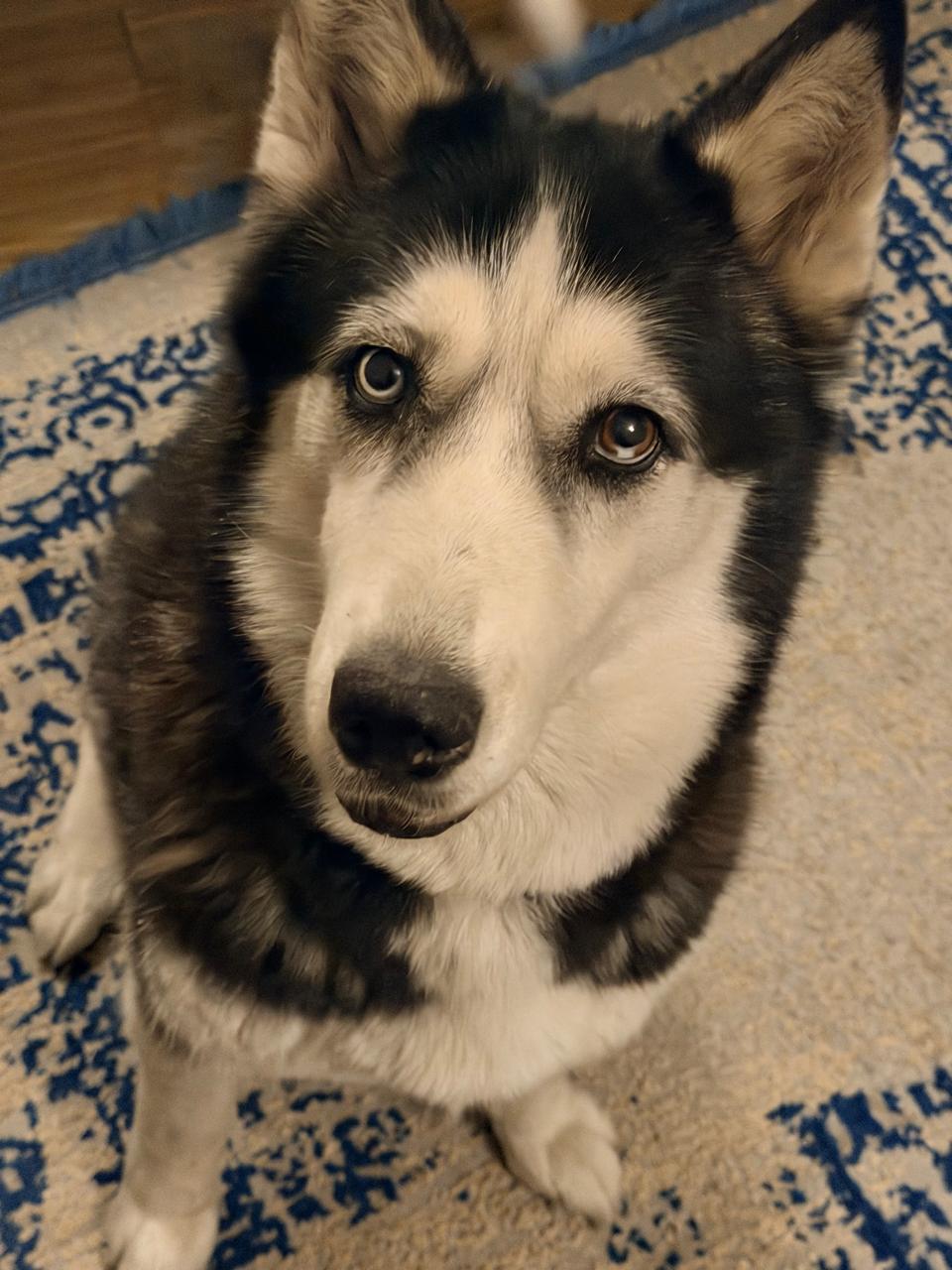
Nymeria, however, was something else entirely. Even by Husky standards — and Huskies are no slouches in the intelligence department — she operated on a different level altogether. She opened doors like a person, watched me with a love so steady it was almost embarrassing, and possessed the remarkable social intelligence to simply wait when I was busy, always attentive, always possessive, always quietly keeping track of everything. She was, in short, better behaved than most adults I know.
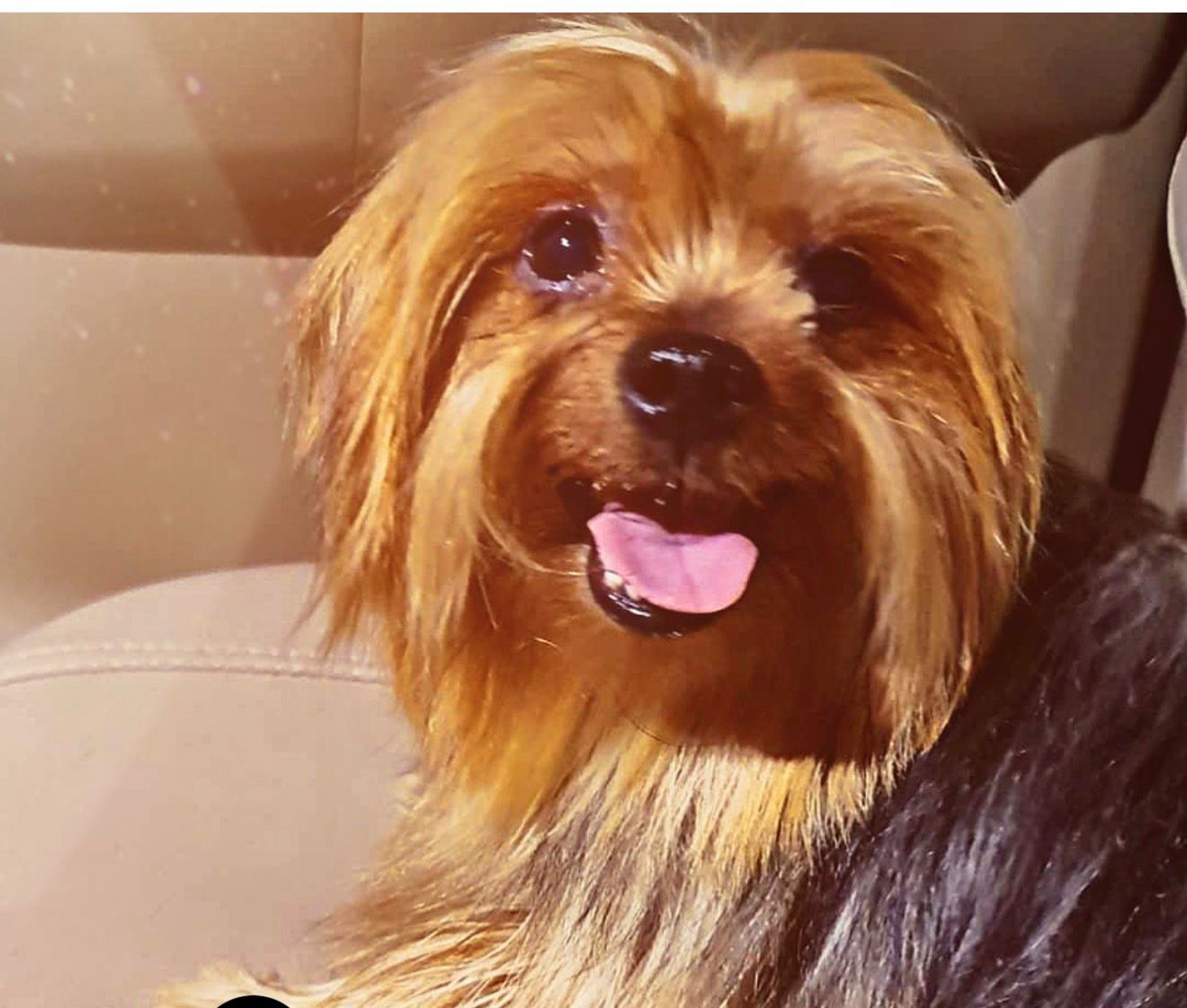
Laila still remains — the last living member of this current chapter — and she is a complete and utter ferocious little storm in a teacup who has absolutely no idea she is small.
What They Reflected Back
Here is the strange and wonderful thing I noticed over the years: when they took on my various traits, I began to see my own flaws reflected back at me with a clarity that no mirror or well-meaning friend had ever managed. And that, I think, is partly why I am writing this today. Yes, it is very, very painful to watch a pet die. It is not unlike losing a child, and it does not matter whether they were strays, rescues, or pedigree — it hurts exactly the same. The emotional value we attach to them has absolutely nothing to do with their price, which in my case is easy to say, since every single one of these animals essentially arrived uninvited and never left.
The point I am trying to make is this: through their various antics over the years, each of them — as different fragments of me — helped me heal different parts of myself. They made me more evolved and more empathetic than any amount of travel or education ever could have. They also served, rather usefully, as human detectors. One trait was common across all of them: a fierce possessiveness and an instinct for protection. They would simply not allow a person with bad intentions or negative energy to remain alone with me in any space they could access. I have witnessed this too many times to dismiss it as coincidence. Even Stony, who could not be bothered to lift his head for most things, would rouse himself with surprising purpose when the energy in the room was wrong. Turns out deep calm and deep awareness are not mutually exclusive. The man knew things.
Faith, Love, and the Household They Belonged To
I know there are many Muslims who believe animals should not be permitted in one’s home on grounds of ritual impurity — but they would benefit from revisiting the texts a little more carefully, because animals are quite permitted in Islam, and cats are actively preferred. I also believe animals are among the beloved of God and deserve to be treated accordingly. We had the Quran playing softly as we put Nymeria down today. She was, after all, a Muslim dog — and in my view, animals do carry the religion of the household they inhabit. This may be a controversial position. I stand by it. Stony, I suspect, would have nodded slowly in agreement and then gone back to sleep.
What They Leave Behind
As Nymeria left us today, I found myself sitting with everything she and the others had given me. These animals shaped me. My youngest child was born and raised around them and has since developed the confidence of a Husky and the quiet cunning of a cat — I can only assume this was deliberate on their part. They were generous that way.
I was shaken every time I lost one of them, as I am today. And yet I cannot help but wonder why I grieve quite so hard, when each of them lived a full life, was loved thoroughly, and passed surrounded by the people who had cared for them day in and day out. Is that not precisely what we humans hope for in our final moments? To be surrounded by those we love, who love us back, who are there to send us off properly on whatever comes next?
I choose to believe animals do not truly leave. They remain with us — in habit, in memory, in the particular way a child tilts their head or a door swings open when no one is near it.
In Closing
And so, dear reader, as this Easter Sunday of 2026 closes with the passing of yet another beloved, I shall carry on. Silently they prayed. Silently they loved. And silently — without ever making a fuss about it — they changed me into the best version of myself.
Which, given the raw material they had to work with, was no small feat.
Somewhere out there, Stony is taking his time getting to heaven. He’ll arrive when he arrives. There’s no rush. There never was.